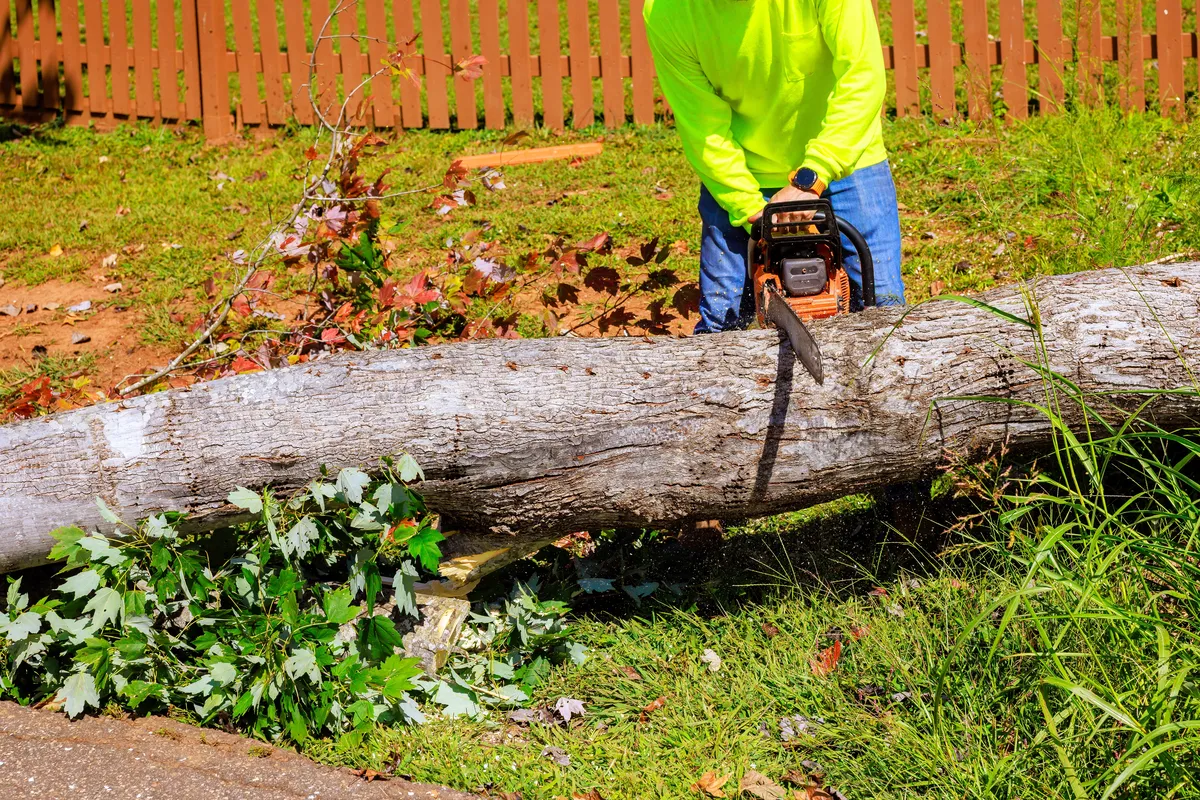
Falling branches cause more property damage in Charlotte than most homeowners realize. It does not take a full tree failure to punch a hole in your roof, crack a windshield, or crush a fence. A single dead limb the size of your arm, dropped from 40 feet during a thunderstorm, hits the ground with enough force to do real damage. And Charlotte gives trees plenty of reasons to drop branches -- 43 inches of rain per year, strong summer thunderstorms, the occasional ice storm, and hurricane remnants that push through in the fall.
The upside is that most branch failures are preventable. The trees in your yard are sending you signals about which limbs are likely to come down. If you know what to look for and stay on a basic trimming schedule, you can dramatically reduce the risk of branch damage to your Charlotte home.
How to Identify High-Risk Branches
Not all branches are equally likely to fall. Here are the specific types to watch for when you walk your property.
Dead Branches
This is the most obvious one, and it is still the most common cause of falling branch damage. Dead branches have no leaves during the growing season (or brown, brittle leaves that hang on and do not fall). The bark often peels off or looks gray and dry. Dead wood is brittle -- it does not bend in the wind like living wood. Instead, it snaps.
Every tree over about 20 feet tall will have some dead wood. That is normal. The question is where those dead branches are and how big they are. A dead twig is not a concern. A dead branch that is 3 inches in diameter or larger and hanging over your roof, driveway, or deck is a real problem waiting for the next storm.
Hanging or Broken Branches
After storms, look up. Charlotte's spring and summer thunderstorms frequently break branches without fully detaching them. These "hangers" or "widow makers" sit in the canopy, tangled in other branches, waiting for gravity or the next gust to bring them down. They are unpredictable and extremely dangerous because they can fall at any time, even on a calm day.
If you see a broken branch still lodged in the canopy, do not walk or park under it. Call a tree service company to get it down safely.
Overextended Limbs
Some branches grow too long for their own good. A limb that extends 15 to 20 feet horizontally from the trunk carries enormous weight at its tip, especially when loaded with rain or ice. These long, heavy branches are common on mature oaks and maples in Charlotte neighborhoods like Myers Park, Eastover, and the older parts of Dilworth where trees have had decades to grow. The branch attachment point at the trunk bears all that load, and over time it can weaken, crack, or split.
Crossing and Rubbing Branches
When two branches grow into each other, they rub back and forth in the wind. That rubbing wears through the bark and creates an open wound that invites decay and disease. Over time, one or both branches weaken at the contact point and become more likely to break. Crossing branches are a sign of a tree that has not been pruned in a while.
Branches with Included Bark
This is a structural issue where a branch meets the trunk at a very tight angle, and bark gets trapped in the union instead of forming a solid wood connection. The branch looks attached, but the joint is much weaker than normal. You can sometimes spot included bark as a dark line or ridge running down the middle of a branch crotch. Trees with multiple trunks or co-dominant stems are especially prone to this. Bradford pears are notorious for it, which is one reason they split apart so often in Charlotte storms.
Which Charlotte Trees Drop Branches the Most?
Some tree species are simply more prone to dropping limbs than others. If you have any of these in your yard, they deserve extra attention.
Water Oaks
Water oaks are one of the most common trees in Charlotte, and they are also one of the most troublesome. They grow fast, produce weak wood, and are highly susceptible to internal decay. Many water oaks in the Charlotte area are reaching the end of their natural lifespan (40 to 60 years), and they become increasingly brittle as they age. Dead branches in the canopy, hollowed-out trunks, and sudden large limb drops are all common with aging water oaks. If you have a water oak over your roof, keep it well pruned or consider whether removal makes more sense long-term.
Bradford Pears
Bradford pears were planted all over Charlotte for decades because they look nice in spring and grow fast. The problem is their branch structure. Bradford pears grow multiple leaders with very tight crotch angles and lots of included bark. They split apart spectacularly during storms, often losing half the canopy at once. If you have a Bradford pear that is more than 15 to 20 years old, it is a ticking clock. Every year it gets bigger, the split risk increases. Charlotte is full of them, and after every serious storm, the split Bradford pears are everywhere.
Silver Maples
Silver maples grow fast and produce soft, weak wood. Their branches are brittle and prone to breaking in wind, ice, and heavy rain. They also have aggressive root systems that can cause problems with sidewalks and foundations. If a silver maple branch hangs over your house, get it trimmed regularly.
Sweetgums
Sweetgums are common throughout the Charlotte area, especially in slightly wetter areas and along creek bottoms. They grow tall and straight, but their branch wood can be brittle, and the branches tend to develop tight crotch angles as the tree matures. They are not as problematic as water oaks or Bradford pears, but they deserve regular inspection, especially older specimens.
Loblolly Pines
Charlotte's loblolly pines do not typically drop individual branches as much as hardwoods do. Their bigger risk is whole-tree failure -- snapping at the trunk or uprooting in wet, windy conditions. That said, large dead pine branches can fall without warning, and pine wood is heavy. If you have tall pines near your home, keep them in mind during storm season. See our guide on pine tree removal in Charlotte for more details.
A Preventive Trimming Schedule for Charlotte Homeowners
The single best thing you can do to protect your home from falling branches is to stay on a regular trimming schedule. Here is what that looks like in the Charlotte area.
Annual Walkthrough (Every Fall, Before Storm Season)
Every September or October, before Charlotte's late-season storms and winter weather, walk your property and look up. Check every tree within striking distance of your house, garage, driveway, power lines, and any area where people spend time. Look for dead branches, hangers, and limbs that have grown long enough to touch or overhang your roof.
Professional Trimming Every 3 to 5 Years
Most mature trees in Charlotte benefit from professional pruning every 3 to 5 years. A good crew will remove dead wood, reduce overextended branches, eliminate crossing limbs, and improve the overall structure of the canopy. This is not just cosmetic. It directly reduces the amount of material that can fall during a storm.
The best time for major trimming in Charlotte is late winter (January through March) when trees are dormant. You can see the branch structure clearly without leaves, and the tree heals faster from cuts made before the growing season starts. However, dead branches and emergency hazards should be removed any time of year. Do not wait for the "ideal" window if a branch is a clear danger. Read more about the best time to trim trees in Charlotte.
After Every Major Storm
Charlotte averages about 45 thunderstorm days per year, and several of those will be strong enough to damage trees. After any storm with high winds, heavy rain, or hail, walk your property again. Look for new hangers, cracked branches that are partially detached, and branches that shifted position. Even if nothing fell during the storm, the storm may have weakened branches that will fall during the next one.
Protecting Your Roof from Branch Damage
Your roof is the most expensive thing a falling branch can hit. Here are specific steps to protect it.
- Maintain clearance. Keep branches trimmed so they do not touch or overhang your roof. A good rule of thumb is at least 10 feet of clearance between branch tips and your roof surface. This also helps prevent leaf buildup in gutters and moss growth on shingles.
- Focus on the upwind side. In Charlotte, the strongest storm winds typically come from the west or southwest. Trees on the west side of your house are most likely to drop branches onto your roof during storms.
- Remove dead trees near the house. A dead tree within falling distance of your roof is not just a branch risk -- it is a whole-tree risk. If you have a dead or severely declining tree that could reach your house, removal should be a priority.
- Check your gutters. Clogged gutters from leaves and twigs are not just a water damage issue. They tell you that branches are growing too close to the roof line and dropping debris. If you are cleaning your gutters constantly, it is time to trim back the canopy.
Driveway and Parking Area Awareness
Your car might be the second most valuable thing that a branch can hit. In many Charlotte neighborhoods, especially in Ballantyne, South End, NoDa, and parts of Huntersville, driveways run right under mature tree canopies.
- Park away from large trees during severe weather watches and warnings
- If you regularly park under a tree, make sure it gets inspected and trimmed on schedule
- After storms, check the driveway area for hanging branches before pulling your car out of the garage
- If a neighbor's tree hangs over your driveway, have a conversation with them about maintenance. In North Carolina, you have the right to trim branches that cross your property line, but it is usually better to work it out neighborly first
After-Storm Branch Checks: What to Do
After a significant storm passes through Charlotte, here is a quick checklist to follow before you go about your day.
- Walk the perimeter of your home. Look up at the roof line, then look at the ground around your house. Fallen branches on the ground tell you the tree is dropping wood. Look up to see if more is hanging.
- Check the canopy from a distance. Stand back far enough to see the full crown of each major tree on your property. Look for branches hanging at odd angles, broken stubs, or gaps in the canopy where limbs used to be.
- Look for leaning trees. A tree that was straight yesterday and is leaning today may have had its roots weakened by the storm. See our full guide on when a leaning tree is dangerous.
- Do not touch anything near power lines. If a branch fell on or near a power line, stay away and call Duke Energy. Do not try to move the branch yourself, even if the line looks dead. It might not be.
- Document damage for insurance. If a branch hit your roof, car, fence, or any structure, take photos immediately before any cleanup. Your homeowner's insurance may cover storm damage, but you will need documentation.
Building a Maintenance Plan That Works
Protecting your Charlotte home from falling branches is not a one-time fix. It is an ongoing process that matches the rhythm of Charlotte's weather. Here is a simple annual plan:
- January-March: Schedule professional trimming for your major trees while they are dormant. This is the best time for structural pruning and dead wood removal.
- April-May: Do a spring walkthrough after trees leaf out. Any branch that did not produce leaves is dead and should be removed before summer storm season.
- June-September: This is peak storm season in Charlotte. Stay alert after each major storm and have a tree company on speed dial for emergency work if needed.
- October-November: Fall walkthrough before winter. Remove any hangers left from summer storms. Check for Bradford pear splitting and water oak decline. Get any hazardous work done before ice season.
- December: If Charlotte gets an ice storm, check trees afterward. Ice loading breaks branches that were already weakened. Address anything that looks dangerous before the next freeze.
Staying on this schedule will not make your property immune to falling branches, but it will cut the risk dramatically. Most serious branch damage happens to trees that have not been maintained. A tree that gets trimmed every 3 to 5 years rarely drops a large, healthy limb. It is the neglected trees, the ones full of dead wood and overextended branches, that cause problems during storms.
Time for a Tree Trimming?
Get free quotes from licensed, insured tree service companies in Charlotte. Protect your home before the next storm.
Get a Free Quote