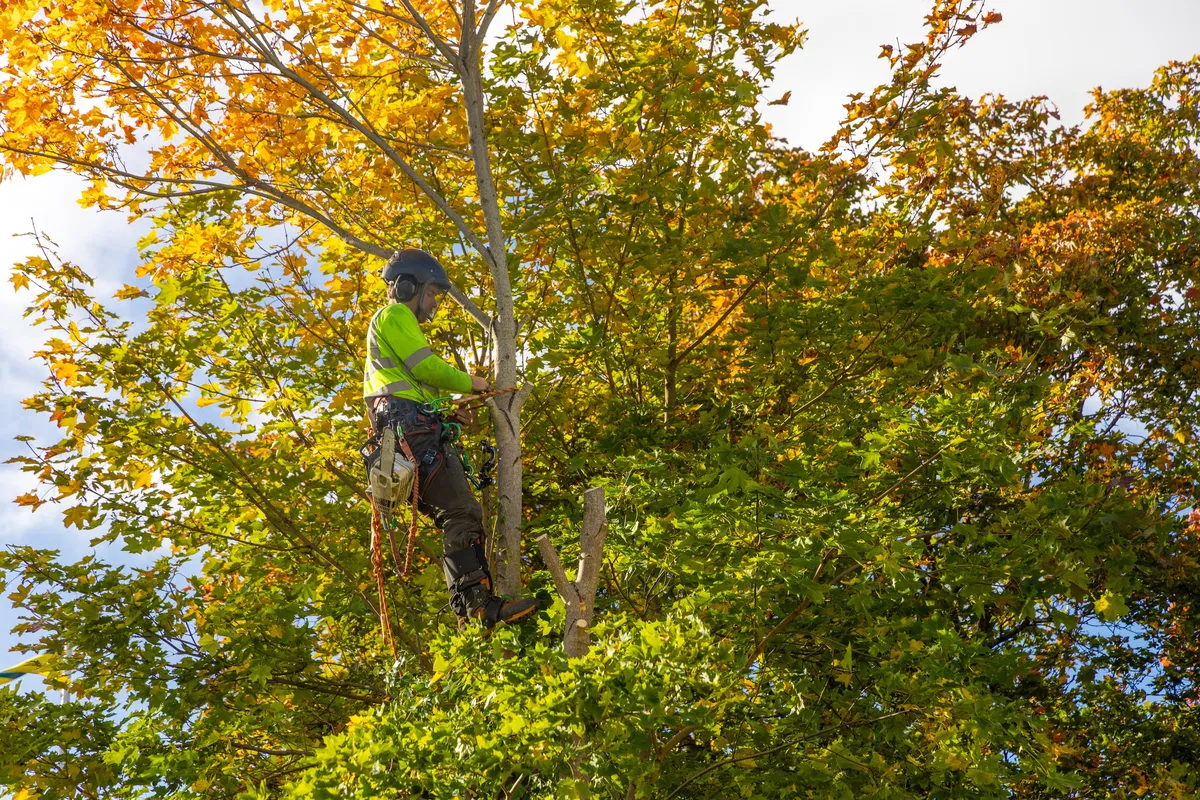
Timing matters with tree trimming. Cut at the wrong time of year and you can stress a tree, invite disease, or kill off the flowers you were hoping to enjoy in spring. Cut at the right time and the tree heals faster, grows back stronger, and looks better for it.
Charlotte's climate sits in a sweet spot that gives us a long growing season and mild winters, which is great for trees but also means you need to think about timing differently than homeowners up north. Here is when to trim the most common trees in the Charlotte area, and when to leave the pruning shears alone.
The General Rule: Late Winter Is Best
For most tree species in Charlotte, the best time to trim is during late winter dormancy, roughly January through early March. During this window:
- Trees are dormant, so trimming puts the least stress on them
- Without leaves, you can see the branch structure clearly and make better cuts
- Insects and fungal diseases are less active, reducing the risk of infection through fresh cuts
- The tree is about to enter its spring growth spurt, so wounds heal quickly once sap starts flowing
Charlotte's winters are mild compared to the mountains just a few hours west. Our average low in January is around 32 degrees, and hard freezes are uncommon. This means the dormant window is shorter and less predictable. Some years, trees in Ballantyne and Matthews start budding as early as late February, while neighborhoods closer to uptown Charlotte might see buds a week or two earlier because of the urban heat island effect.
Bottom line: if you can schedule your trimming for January or February in Charlotte, you are hitting the sweet spot for most species.
Species-Specific Trimming Schedules for Charlotte
Not every tree follows the same rules. Here is when to trim the trees you are most likely to have in your yard across the Charlotte metro area.
Oaks (Willow Oak, Red Oak, White Oak)
Oaks are everywhere in Charlotte. The willow oaks that line streets in Myers Park and Dilworth are some of the most recognizable trees in the city, and red oaks are common throughout Huntersville, Cornelius, and the Lake Norman corridor.
Best time to trim: November through February. Oaks should be trimmed during dormancy, and there is a specific reason to avoid spring and summer pruning. Oak wilt, a fungal disease that can kill an oak tree within a season, spreads through fresh wounds during the growing season. The beetles that carry the fungus are active from April through July. Pruning oaks during those months creates open wounds that attract the beetles. Stick to winter trimming and you avoid this risk entirely.
For more on keeping your oaks healthy, see our full guide on oak tree care in Charlotte.
Crepe Myrtles
Crepe myrtles are the second-most asked-about tree in Charlotte for pruning, right after oaks. They are everywhere in the Piedmont, from South End sidewalks to Weddington driveways.
Best time to trim: Late winter, February through early March, before new growth starts. Crepe myrtles bloom on new wood, so winter pruning actually encourages more flowers in summer.
A word of caution: do not commit "crepe murder." That is the local nickname for the practice of whacking crepe myrtles back to ugly stubs every year. It makes the tree look terrible, weakens the branch structure, and produces thin, whippy growth that cannot support the flower clusters. Light, selective pruning is all they need. Remove crossing branches, dead wood, and suckers at the base. That is it. Read our full guide on how to prune crepe myrtles in Charlotte for the details.
Pine Trees (Loblolly, Longleaf, Virginia Pine)
Charlotte's Piedmont region is full of pine trees, especially loblolly pines. You will find dense stands of them in neighborhoods throughout Indian Trail, Waxhaw, and the Marvin area.
Best time to trim: Late winter through early spring (February to April), or in midsummer (June to July). Pines are different from deciduous trees because they do not go fully dormant in Charlotte's mild winters. The best time to prune is just before the spring growth push, which lets the tree seal wounds quickly. You can also prune the "candles" (new growth tips) in late spring to control shape.
Pines generally need less trimming than hardwoods. Most pine pruning in Charlotte involves removing dead lower branches for clearance or cutting back branches that are rubbing against the house or blocking walkways.
Maples (Red Maple, Sugar Maple)
Best time to trim: Late summer to early fall (August to September) or mid-winter (January to February). Maples are "bleeders" — if you prune them in late winter just as the sap starts rising, they will drip sap heavily from the cuts. It will not kill the tree, but it looks alarming and can attract insects. Pruning in late summer after the growth season or in the dead of winter avoids this.
Dogwoods
Dogwoods are a Charlotte favorite. They bloom in early spring with those white or pink flowers that show up all over Eastover and SouthPark.
Best time to trim: Late spring to early summer, right after they finish flowering (May to June). If you prune dogwoods in winter, you cut off the flower buds that formed the previous fall, and you lose the spring show. Wait until the flowers are done, then make your cuts.
Fruit Trees (Apple, Pear, Cherry)
Best time to trim: Late winter (February to March) before buds swell. This is standard dormant-season pruning. It encourages strong fruit production in the coming season and allows you to shape the tree while you can see its structure.
When NOT to Trim Trees in Charlotte
There are times when trimming does more harm than good. Here are the seasons and situations to avoid:
- During extreme summer heat. Charlotte regularly hits the mid-90s in July and August, and some years we push past 100 degrees. Heavy pruning during a heat wave puts serious stress on a tree that is already working hard to stay hydrated. Light deadwood removal is fine, but major structural pruning should wait.
- During active growth in spring. Trees are putting all their energy into new leaves and shoots from March through May. Major pruning during this time forces the tree to redirect energy to wound healing instead of growth. It can set a tree back by a full season.
- During fall leaf drop. October and November are poor times for most trimming in Charlotte. Trees are pulling nutrients out of their leaves and storing them for winter. Pruning disrupts that process. Also, fungal spores are heavy in the fall air, and fresh cuts are easy entry points.
- During or right after a drought. Charlotte occasionally gets dry stretches in summer and early fall. A drought-stressed tree should not be pruned because it does not have the resources to heal properly. Wait until normal rainfall returns.
The Exception: Emergency and Safety Trimming
Everything above goes out the window when safety is the issue. A dead branch hanging over your driveway, a limb cracked by a storm, or branches scraping your roof during wind — those need to come off regardless of the calendar.
Charlotte averages about 43 inches of rain per year and roughly 45 thunderstorm days. Storms in spring and summer regularly break branches and expose deadwood that was hidden by the canopy. If a storm damages a tree on your property, do not wait for the "right season" to address it. Get a tree service out to assess the damage and remove anything that is a hazard. Read more about handling storm damage in our guide to emergency tree removal in Charlotte.
Dead branches can come off any time of year without harming the tree. Dead wood is dead wood. It is not going to heal, and removing it actually helps the tree by reducing the chance of decay spreading into live tissue.
How Often Do Trees Need Trimming in Charlotte?
The answer depends on the tree species, its age, and its location on your property. Here are some general guidelines:
- Young trees (under 10 years old): Every 2 to 3 years. Young trees benefit from early structural pruning that shapes their growth and prevents problems later. This is called "training" the tree, and it is the single best investment you can make in a tree's long-term health.
- Mature hardwoods (oaks, maples): Every 3 to 5 years for maintenance trimming. Mature trees in Charlotte's neighborhoods often need more frequent attention if they overhang structures, driveways, or power lines.
- Fast-growing species (sweetgum, Bradford pear, tulip poplar): Every 2 to 3 years. These species put on growth quickly, especially in Charlotte's long growing season with plenty of rain. Bradford pears in particular develop weak branch unions that are prone to splitting, so regular trimming is important.
- Pines: Every 3 to 5 years, or as needed for clearance. Most pines self-prune their lower branches naturally.
- Crepe myrtles: Annually, but lightly. Just remove suckers, dead wood, and crossing branches.
Can You Trim Your Own Trees?
Small trees that you can reach from the ground with a pole pruner or hand saw? Absolutely. Removing dead branches under about 3 inches in diameter is a reasonable DIY task for most homeowners.
But anything that requires a ladder, a chainsaw, or climbing into the canopy should go to a professional. Tree work is extremely dangerous, and Charlotte emergency rooms see DIY pruning injuries every year. A professional crew has the training, the equipment, and the insurance to do it safely. For tips on picking a good crew, see our guide on how to choose a tree service company in Charlotte.
What Good Trimming Costs in Charlotte
Professional tree trimming in the Charlotte area typically runs between $200 and $1,500, depending on the tree's size and complexity. A single medium-sized tree in an accessible location might cost $300 to $600. Large oaks in tight spaces or near power lines can hit $1,000 to $1,500 or more. Learn more about what you can expect to pay in our Charlotte tree service cost guide.
Winter is often the best time to get a good price, too. Tree service companies in the Charlotte area tend to be less busy from December through February, so you may find better availability and occasionally lower rates during those months.
Set Yourself Up for Success
The right trimming schedule keeps your trees healthy, reduces storm damage risk, and keeps your property looking good. For most Charlotte homeowners, that means scheduling professional trimming in January or February, with species-specific adjustments for oaks, crepe myrtles, and dogwoods.
If you are not sure what kind of trees you have or when they should be trimmed, a local arborist can walk your property and create a plan. It is a small investment that pays off for years.
Need Tree Trimming in Charlotte?
Get free quotes from licensed, insured tree service companies serving the Charlotte metro area. Tell us about your trees and we will connect you with the right crew.
Get My Free Quote