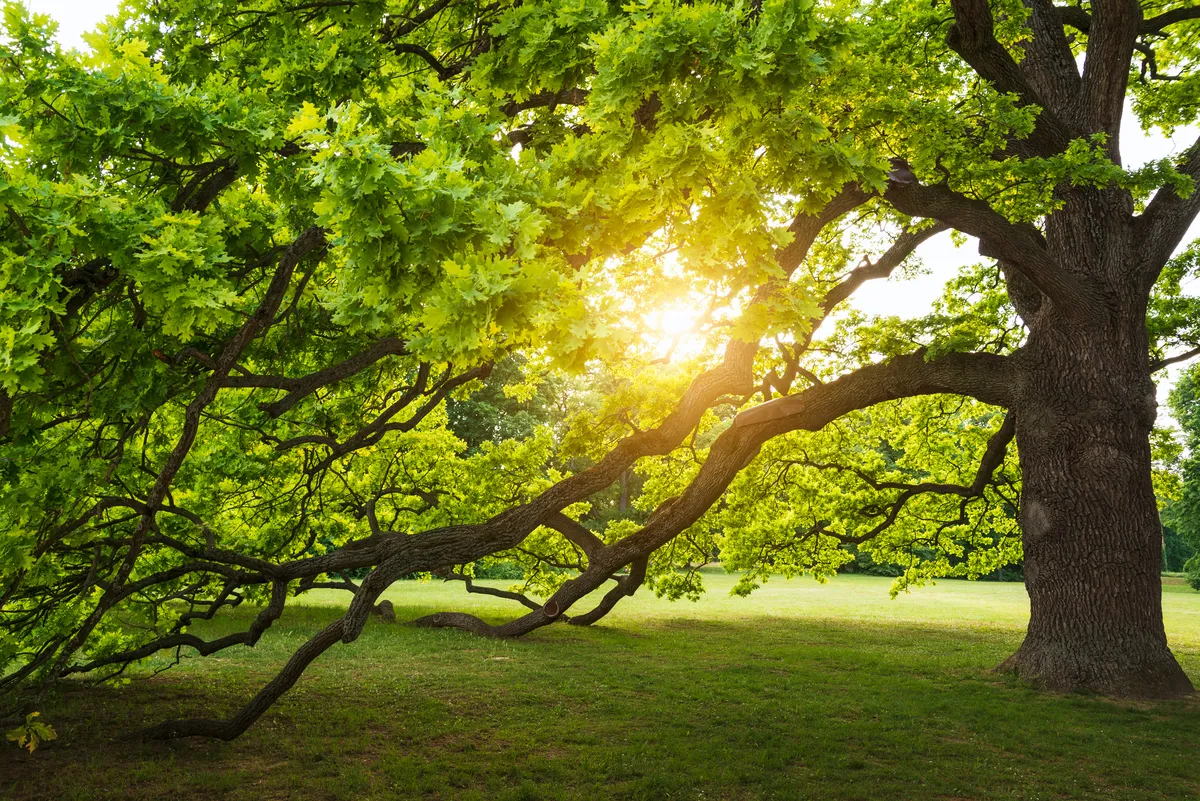
Anyone who has tried to dig a hole in a Charlotte yard knows the reality: about six inches down, you hit red clay that feels like wet concrete. This Piedmont red clay is the defining feature of soil across Mecklenburg County and most of the surrounding areas. It shapes everything about how trees grow here — where their roots go, how fast they establish, what diseases they develop, and ultimately how long they live.
If you want to understand why your trees look the way they do, you have to understand the dirt they are growing in.
What Charlotte's Red Clay Actually Is
The red clay across the Charlotte region is a weathered mix of iron-rich minerals left behind by millions of years of rock breakdown. The red color comes from iron oxide — rust, basically. Piedmont soils are classified as Ultisols, which are old, heavily weathered soils that are common across the southeastern United States.
What makes this clay difficult for trees is its particle size. Clay particles are tiny — much smaller than sand or silt particles. They pack together tightly, which creates two big problems. First, water drains through clay very slowly. Second, air cannot move through it easily. Tree roots need both water and oxygen to survive, and clay soil limits access to both.
On top of that, Piedmont clay is not particularly rich in nutrients compared to the dark loamy soils in other parts of the country. It does hold minerals like iron and aluminum, but it tends to be acidic (pH 5.0 to 6.0 in most Charlotte yards) and low in organic matter unless it has been amended.
How Clay Soil Affects Root Growth
The biggest impact is on root depth. In loose, well-drained soil, tree roots grow down several feet seeking moisture. In Charlotte's clay, the roots cannot push through the dense subsoil easily, so they spread out horizontally instead. Most tree roots in the Charlotte area sit in the top 12 to 18 inches of soil. The deeper clay acts almost like a barrier.
This shallow root pattern causes several problems:
- Surface roots. Roots growing just below the surface lift driveways, crack sidewalks, and create trip hazards across the lawn. Willow oaks and silver maples are the worst offenders, but almost any large tree in Charlotte clay will eventually push roots to the surface. For more on this, see our article on tree roots and foundation damage.
- Girdling roots. When roots cannot grow outward easily (because of compacted soil, a planting hole that was too small, or physical barriers), they circle back and wrap around the base of the trunk. Over time, these girdling roots strangle the tree's own vascular system. This kills more transplanted trees in Charlotte than most people realize.
- Stability issues. A tree with a shallow, wide root plate instead of deep anchor roots is more vulnerable to blowing over in storms. This is why Charlotte loses so many trees during hurricanes and severe thunderstorms — the roots just cannot grip deeply enough in the clay.
- Drought stress. Shallow roots dry out faster than deep ones. When Charlotte hits a dry spell in July or August, trees with shallow root systems in clay start dropping leaves and showing stress within two or three weeks.
Trees That Do Well in Charlotte Clay
Not all trees struggle in clay. Many species native to the Piedmont have adapted to these conditions over thousands of years and actually do quite well. If you are choosing trees to plant in Charlotte, these are your best bets:
- Willow oak (Quercus phellos). Charlotte's most popular shade tree for good reason. It tolerates clay soil, grows fast (18 to 24 inches per year), and develops a massive canopy. The tradeoff is aggressive surface roots and susceptibility to bacterial leaf scorch.
- Red maple (Acer rubrum). Native to the Piedmont and well adapted to clay. Great fall color. Moderate growth rate. Watch for surface roots as it matures.
- River birch (Betula nigra). One of the few birches that handles southern heat and clay soil. Grows fast, tolerates wet conditions that would kill other species. The peeling bark looks great.
- Tulip poplar (Liriodendron tulipifera). Native, fast-growing, and tough. Handles clay well and grows 24 to 36 inches per year. Gets very tall (80 to 100 feet), so give it room.
- Bald cypress (Taxodium distichum). Handles wet clay that would rot the roots of most other trees. A great choice for low-lying or poorly drained areas. Despite being a conifer, it drops its needles in fall.
- Southern magnolia (Magnolia grandiflora). Does fine in clay as long as drainage is reasonable. Evergreen and beautiful, though messy with year-round leaf drop.
Trees That Struggle in Charlotte Clay
Some trees that look great at the nursery are a poor match for Charlotte soil:
- Flowering dogwood (Cornus florida). This one surprises people because dogwoods are native to the area. But dogwoods prefer well-drained, slightly acidic woodland soil with a lot of organic matter. In heavy, compacted clay — especially in full sun — they stress out, get anthracnose and powdery mildew, and often decline within 10 to 15 years. They do much better in amended soil under partial shade.
- Japanese maple (Acer palmatum). Popular in Charlotte landscapes, but they hate wet feet. In heavy clay with poor drainage, root rot is a constant risk. Plant them in raised beds or heavily amended soil, not straight into clay.
- White pine (Pinus strobus). Sometimes planted in Charlotte as an ornamental, but it is a northern species that does not handle the combination of clay soil, heat, and humidity well. Most white pines in Charlotte look thin and stressed by age 15.
- Sugar maple (Acer saccharum). Another northern species sometimes sold in Charlotte nurseries. It struggles with clay soil, heat, and the lack of winter chill it needs. Buy a red maple instead.
The Construction Problem
If your home was built in the last 30 years — which covers most of Ballantyne, south Huntersville, most of Weddington, Indian Trail, and large parts of Mooresville — there is a good chance the soil around your house is worse than natural clay.
During construction, builders strip away the topsoil (the good stuff — the organic-rich top few inches) and stockpile it or haul it off. Heavy equipment then compacts the exposed clay subsoil, which destroys its structure and makes it even harder for roots and water to penetrate. After the house is built, the builder spreads a thin layer of topsoil over the compacted clay, lays sod, and calls it done.
Trees planted in these conditions face a double problem. The thin topsoil provides almost no rooting depth, and the compacted clay underneath acts like a pot. Water pools around the roots instead of draining, which leads to root rot. Or in dry periods, the compacted clay bakes hard and the roots cannot get any moisture at all.
This is why so many trees in newer Ballantyne subdivisions and similar developments decline within 10 years of planting. The trees are not defective — the soil is.
What You Can Do to Help
You cannot change Charlotte's clay, but you can work with it instead of against it.
Mulch properly. A 3 to 4 inch layer of hardwood mulch over the root zone is the single best thing you can do for a tree in clay soil. Mulch moderates soil temperature, retains moisture, and breaks down slowly into organic matter that improves the soil over time. Keep mulch pulled 3 to 4 inches away from the trunk — no volcano mulching.
Plant at the right depth. In clay soil, plant trees slightly high — with the root flare 1 to 2 inches above the surrounding grade. Trees planted too deep in clay are sitting in a bathtub. The root flare (where the trunk widens at the base) should always be visible at the soil surface.
Dig a wide planting hole. In clay, dig the hole two to three times wider than the root ball, but no deeper. You want the roots to spread outward into loosened soil. Score the sides of the hole with a shovel to break up the smooth clay surface — otherwise roots will circle inside the hole like they are in a pot.
Do not amend the backfill too much. This seems counterintuitive, but filling the planting hole with rich potting soil or compost creates a "bathtub effect" — the amended soil holds water while the surrounding clay does not drain, and the roots sit in a waterlogged pocket. Mix in no more than 25 percent compost with the native clay backfill.
Water deeply and less often. In clay soil, frequent shallow watering keeps the top inch wet but never reaches deeper roots. Instead, water deeply once a week during dry periods. A slow drip from a hose at the tree's base for 30 to 45 minutes puts water down where the roots actually are.
Avoid compaction. Do not park cars, stack materials, or allow heavy foot traffic over tree root zones. Once clay is compacted, it stays that way for years. If you have construction planned near trees, talk to an arborist about tree protection zones before the work starts.
When Clay Soil Signals a Bigger Problem
If a tree in your yard is declining — yellowing leaves, thin canopy, dead branches — the soil may be part of the problem but not the only problem. Poor drainage in clay leads to root rot. Compaction leads to slow decline. Clay's tendency to crack during dry spells can tear fine roots.
A tree that is struggling in Charlotte clay might be dealing with any combination of soil problems, disease, insect damage, or construction damage from years ago just now showing symptoms. If you are not sure what is going on, a professional arborist can evaluate the tree, test the soil, and tell you whether the tree can be saved or whether it is time for removal and a fresh start.
Charlotte's red clay is not ideal for trees, but plenty of species thrive in it — the proof is every tree-lined street in the city. The key is choosing the right species, planting correctly, and understanding that what happens underground matters more than what you see above it.
Concerned About Your Trees in Charlotte's Clay Soil?
Get a free quote from experienced Charlotte tree service companies. Get matched with arborists and tree care pros who understand local soil conditions.
Get a Free Quote